How I Made $5,000 in 30 Days by Automating My Short Film Production Process
Creating films used to be an artistic dream drowned in a sea of costs, time, and complicated tech. Imagine this: hiring a crew, renting out equipment, running budget sheets, and juggling a gazillion moving parts, all while trying to breathe life into your vision. But what if I told you that what used to take months and thousands of dollars can now be done in minutes, with minimal cost?
Let’s dive into how I turned my creative sparks into profit using AI automation.
Realizing the Potential
It hit me one day. I had a great idea for a short film but was guesstimating it would cost me around $3,000 to produce, plus months of editing and back-and-forths. My brain was buzzing with excitement, but also clouded by the fear of failure.
Then it dawned on me: Why not embrace the tech around me? After experimenting a bit, I discovered that using AI tools to automate the production process was not only feasible but also profitable. I found a way to create high-quality films much faster. When I tested my new setup, I ended up earning $5,000 in just 30 days.
Breaking Down the Process
Here’s a simple breakdown of what I did, and trust me when I say, it’s easier than you think.
Step 1: Consolidate Your Tools
The first thing to do is streamlining your workflow. Instead of hopping from one tool to another, I centralized everything in a simple Google Sheet where I listed all input elements like titles, ideas, and captions.
- Create Your Database: Set up a Google Sheet as your central hub.
- Populate with Ideas: Input titles and relevant ideas.
Step 2: Automate with AI
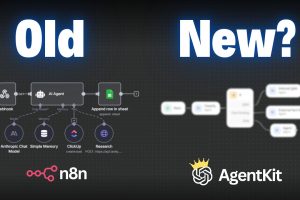
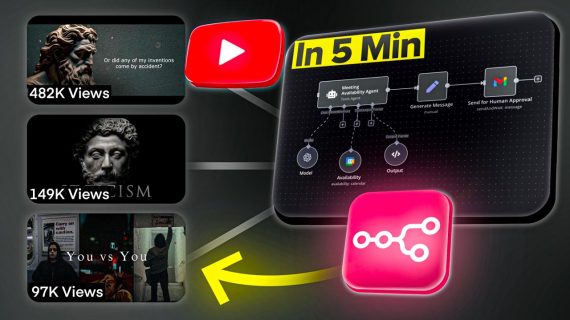
This is the game changer! I started using tools like ChatGPT and connected them through a workflow system called N8N. This allowed me to automate pretty much everything.
- Generate Structures: Use ChatGPT to create video outlines, including plot points and scenes.
- Automation Setup: In N8N, set up triggers that turn your ideas into live projects without lifting a finger.
Step 3: Make It Visual
Once I had the framework, it was time to make it visual. I connected my setup to an AI video generator API.
- Video Generation: Each prompt generated clips that were actually entertaining.
- Synchronize Everything: Sync captions, effects, and outputs in real-time.
Step 4: Monitor and Optimize
I created systems to track the status of video production. If a project wasn’t moving along, I was alerted. This allowed me to keep things running smoothly and manage my time efficiently.
- Status Check Nodes: Automated checks to see where projects stood in production.
- Dynamic Adjustments: If something stalled, I could adjust without wasting precious time.
What I’d Do If I Started Today
Looking back, there are a few key strategies I would prioritize:
- Start Small: Begin with simpler ideas. Don’t overcomplicate your first project.
- Learn from Each Attempt: Use feedback to improve your future films.
- Market Early: Share your work even before it’s finished to gauge interest and build an audience.
- Expand Your Network: Collaborate with other creators for varied perspectives and skills.
- Keep Track of Your Earnings: Implement a simple spreadsheet to monitor what you earn from each project.
The Path to Profit
The best part? After setting everything up, I didn’t just make my films faster; I opened up opportunities to create for others as well. I started offering short film production as a service, showcasing how easy and efficient my method was.
Low overhead, little manual labor, and high potential returns—these are fantastic business conditions! In that first month, I turned ideas into income, each project adding up.
A Reflective Conclusion
In a world where burnout is common among creatives, embracing automation can genuinely allow you to focus on what you love—creating.
By shifting my mindset and processes from a labor-intensive model to a streamlined one, I didn’t just save time—I found a sustainable way to monetize my passions.
Curious about making your life easier through automation?
If you’re curious about building systems that save you from burnout and free up your time, I created something that might help. It’s a small online course called Automation by RoboNuggets, where I share the exact tools and workflows I wish I knew earlier. You can check it out here, only if it feels right for you.